
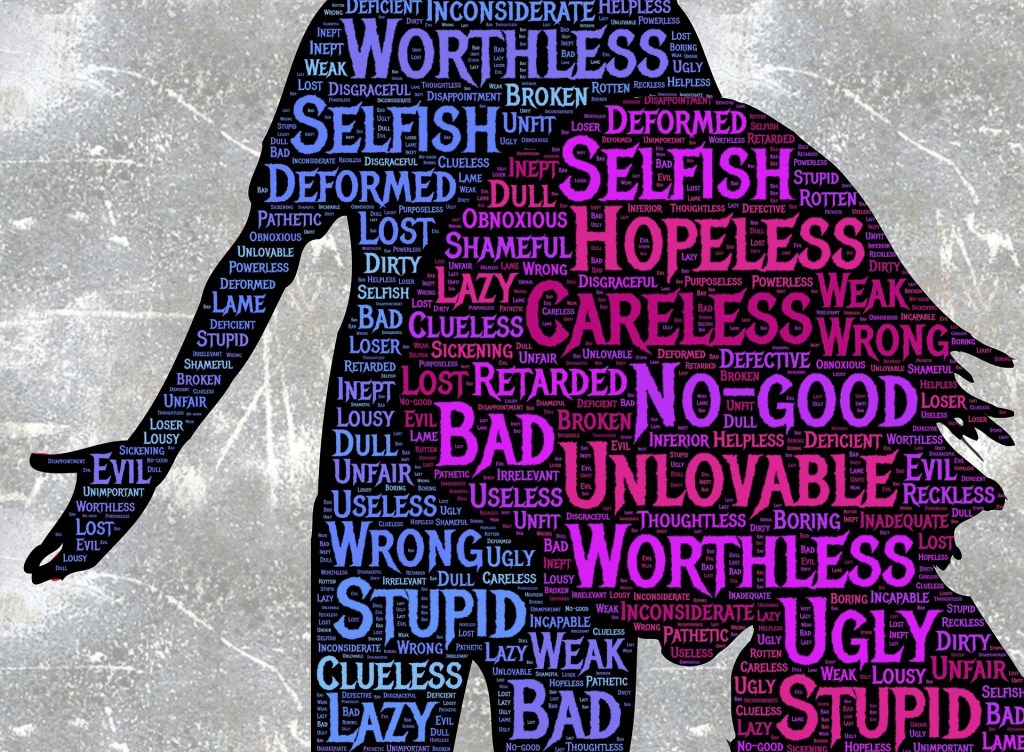
People often ask, what is BED and how does it differ from emotional eating or just overeating? Overeating is not the same thing as binge eating disorder. BED is a medical condition. In general, it depends on how frequently you binge, whether you lose control and feel like you can’t stop eating, and how you feel during and after a binge eating episode. Occasional overeating is not BED.
BED is characterized by repeated instances of:
- Eating large quantities of food – often quickly and to the point of discomfort
- A feeling of a loss of control during the binge.
- Experiencing shame, distress or guilt after binging.
For me, the negative thoughts would run rampant in my head. Ugly. Fat. Loser. Pathetic. Weak. Worthless. Unlovable. Horrible things I could never say or even think about someone else, I would say to myself. Constantly. Repeatedly. Like a broken record looping endlessly in my brain. It wasn’t me though. It was my eating disorder. It became so loud and so prevalent, I didn’t even recognize my own voice. I wasn’t born hating myself. Where did that sweet, innocent, kind little girl go? Where was my youthful, free spirit? How did I end up hating myself so much? I’m still working on that.
According to the National Eating Disorder Association, BED is the most common eating disorder in the United States. And it is likely the most under diagnosed eating disorder. Like me, I suspect many chronic dieters attribute their diet failures to lack of willpower. And maybe that is the case for some. But for me, there was more: a voice inside me that spoke so loud and isolated me from happiness for far too long.
My BED made me uncomfortable eating around others. It told me to cut out entire food groups (no sugar, no carbs, no dairy) with no medical basis. My BED had me chronically dieting. Constant shifts in weight. Unending body checking. Comparing to others bodies incessantly. Skipping meals. Eating alone out of embarrassment. Certainly could never openly admit to being hungry. Feelings of disgust, depression, or guilt after overeating. And clearly, intense feelings of low self-esteem.
My BED also have physical symptoms aside from the noticeable fluctuations in weight, both up and down. I had tremendous difficulty concentrating. I spent so much time worrying about why I wasn’t good enough, and when I could eat or what I should eat, that I lost focus on what is truly important to me. I lost sight of my work, my home, my friendships. The self-hate overtook me. My BED overtook me.
So, do all obese people have binge eating disorder? No. Most people who are labeled clinically obese do not have binge eating disorder. However, of individuals with BED, up to two-thirds are labelled clinically obese. People who struggle with binge eating disorder tend to be of normal or higher-than-average weight, though BED can be diagnosed at any weight.
Binge eating disorder has long term health consequences — physically and emotionally. The first step in treating BED is recognizing there is a problem and asking for help. I have found Cognitive Behavioral Therapy (CBT) to be extremely helpful in my recovery. CBT helped me recognize that anxiety has led to my BED. I would use food – or alcohol – to soothe my anxiety and I didn’t even recognize I was doing it until therapy. CBT has helped me get out of my BED.
Source: https://www.nationaleatingdisorders.org/learn/by-eating-disorder/bed

 Getting Out Of My Bed
💜💜💜
LikeLike
You are a strong, beautiful, loving and caring person. I love you 😘
LikeLike